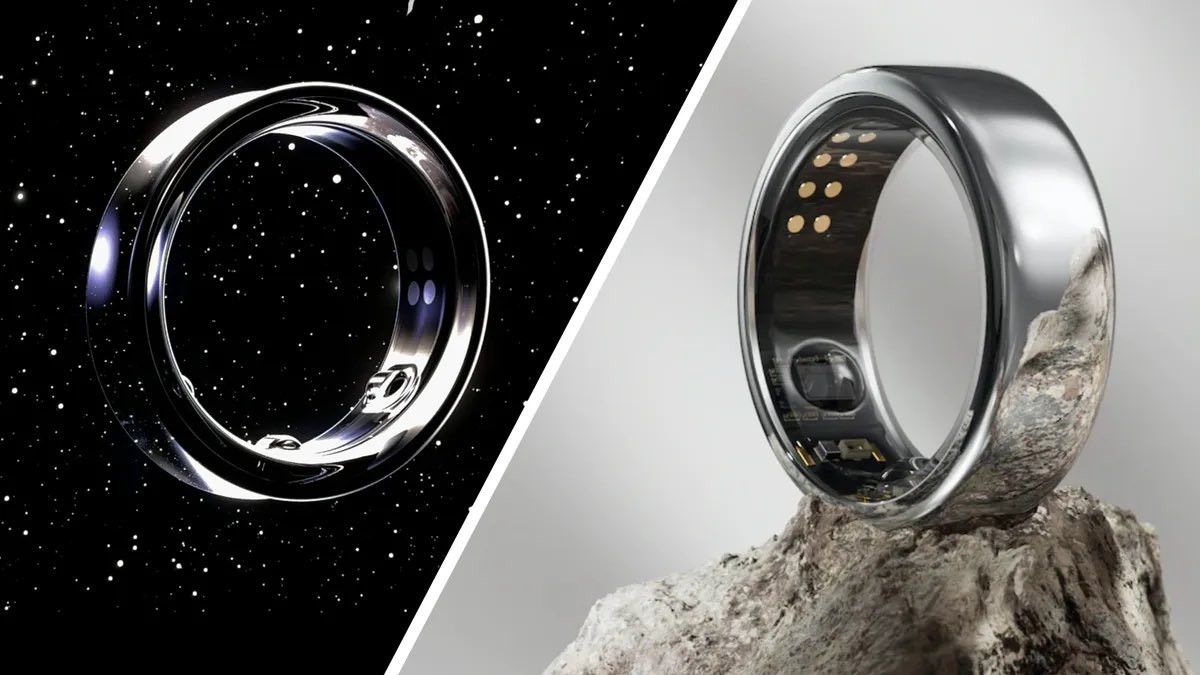
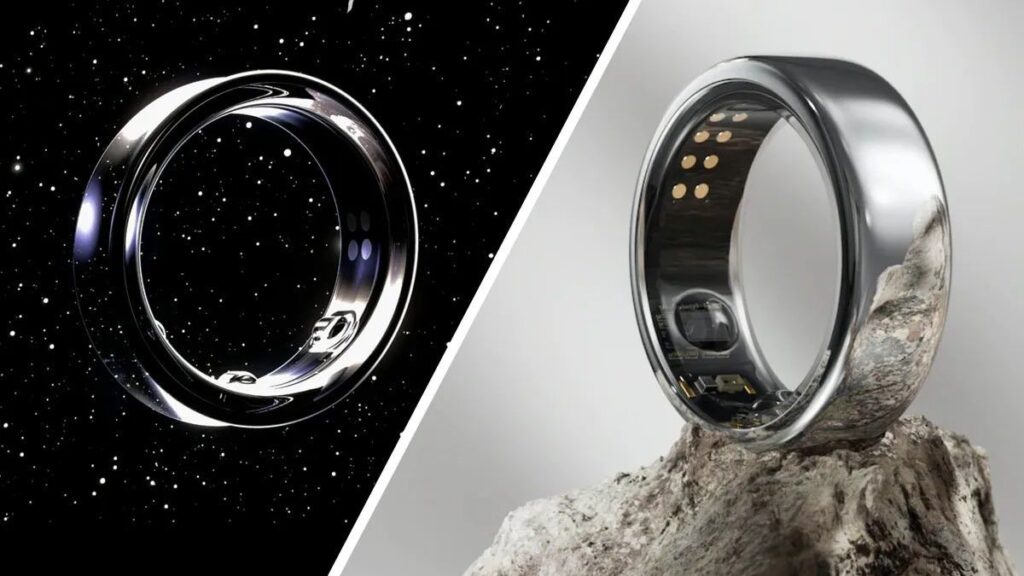
Emergencybeaconcorp – The wearable technology market has long been dominated by the wrist. Smartwatches from Apple, Samsung, and Garmin have set the standard for health tracking, offering increasingly sophisticated sensors and features. But a new form factor is challenging the wrist’s dominance: the smart ring. The Oura Ring 4 and Samsung Galaxy Ring, both released in early 2026, represent the maturation of a category that was once considered a niche alternative to watches. These devices are proving that powerful health tracking doesn’t require a screen, and they are redefining what wearables can be.
The Smart Ring Evolution: How Oura Ring 4 and Samsung Galaxy Ring Are Redefining Wearable Health
The Oura Ring 4 is the fourth generation of the device that defined the smart ring category. The new model addresses the limitations of its predecessors while expanding capabilities. The ring is thinner and lighter than previous versions, weighing just 3.5 grams, making it comfortable enough for continuous wear. The battery life has been extended to eight days on a single charge, addressing the charging fatigue that affects smartwatch users. The sensor array has been upgraded with new LEDs and photodiodes that provide more accurate heart rate variability (HRV), blood oxygen, and temperature readings.
The software that accompanies the Oura Ring 4 has been completely redesigned. The app now provides personalized insights based on the user’s data, moving beyond raw metrics to actionable recommendations. The readiness score, which synthesizes sleep quality, activity levels, and recovery metrics, has been refined with algorithms trained on millions of user-days of data. The sleep tracking, always a strength of Oura, now includes nap detection that automatically logs daytime rest and factors it into recovery calculations. The fertility tracking features have been expanded with cycle predictions that integrate with partner apps.
Samsung’s Galaxy Ring, launched alongside the Galaxy S26, represents the entry of a major consumer electronics manufacturer into the smart ring category. The Galaxy Ring is designed for seamless integration with the Samsung ecosystem, syncing data with Samsung Health and providing insights across devices. The ring weighs 2.5 grams and is available in nine sizes, with a titanium finish that matches the Galaxy Watch and Galaxy phones. The battery life is rated at seven days, with a charging case that provides three full charges on the go.
The Galaxy Ring’s sensor capabilities match or exceed the Oura Ring 4 in several areas. The heart rate sensor uses Samsung’s BioActive architecture, adapted from the Galaxy Watch, providing accuracy that approaches medical-grade devices. The skin temperature sensor is paired with a new algorithm that can detect fever onset before symptoms appear. The blood flow sensor, unique to Samsung, provides blood pressure estimates that have been validated in clinical studies. The Galaxy Ring also includes fall detection, which can alert emergency contacts if a fall is detected and the user does not respond.
The competition between Oura and Samsung is driving rapid innovation. Oura has responded to Samsung’s entry by accelerating its development roadmap; the company has announced that the Oura Ring 5 will include blood pressure monitoring and glucose tracking, features that were not expected until 2028. Samsung, in turn, has announced partnerships with medical institutions to validate the Galaxy Ring’s clinical applications, including its use in monitoring chronic conditions like hypertension and sleep apnea.
The implications for the wearables market are significant. Smart rings offer advantages that smartwatches cannot match: they are less intrusive, they can be worn continuously without discomfort, and they collect data from the finger, which provides more accurate readings than the wrist for many metrics. The smart ring is also more socially acceptable in professional and formal settings where a smartwatch may be out of place. The category is attracting users who have resisted smartwatches due to size, aesthetics, or the desire to disconnect from notifications while still tracking health.
The smart ring market is expanding beyond Oura and Samsung. Apple is rumored to be developing an Apple Ring, with patents revealing designs that include gesture control, haptic feedback, and a small display. Chinese manufacturers including Xiaomi and Huawei have announced their own smart rings, targeting the Asian market where the form factor has been more readily adopted. The competition is expected to drive prices down and features up, making smart rings accessible to a broader audience.
The smart ring evolution is not about replacing the smartwatch; it is about offering a different approach to wearable health tracking. The user who wants notifications, apps, and a screen will continue to choose a smartwatch. The user who wants continuous health tracking without distraction, who values comfort over functionality, who wants a device that disappears while they sleep—this user is the smart ring’s audience. The Oura Ring 4 and Samsung Galaxy Ring are proving that the smart ring is not a niche product but a category with its own distinct value proposition.